

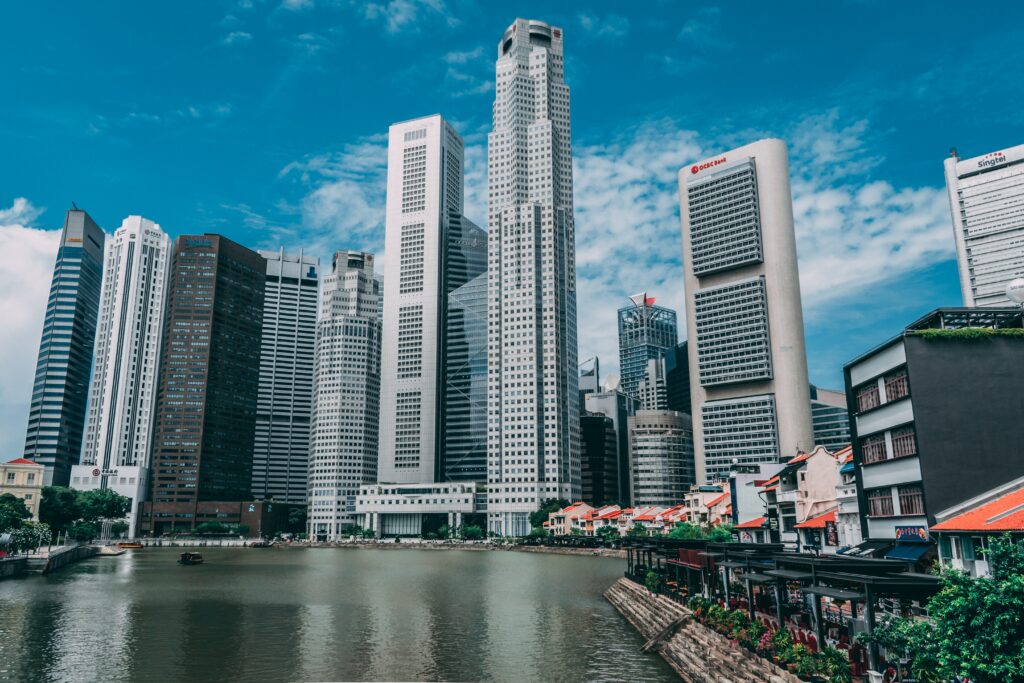
Global markets entered 2026 in a more stable position after several years of inflation shocks, aggressive interest-rate hikes, and uneven growth. While major central banks have slowed or paused tightening, recent geopolitical upheavals have increased the threat of inflation, which may push up borrowing costs. This environment is pushing many investors to prioritise resilience, cash flow, and profitability over pure growth.
As a result, dividend stocks have regained attention. Companies that consistently return capital to shareholders tend to have stronger balance sheets, more resilient earnings and disciplined management—qualities that can help portfolios endure uncertain market cycles. For investors, dividends also provide a regular income stream that can be reinvested or used to offset market volatility.
Singapore remains one of the most attractive markets in Asia for dividend investors. The SGX is known for its banking giants, telecom firms, and REITs, many of which distribute a significant portion of profits to shareholders. Compared with many developed markets, Singapore-listed companies have historically offered competitive dividend yields, supported by stable regulation and a mature financial sector.
With global investors continuing to look for reliable income and defensive exposure this year, Singapore’s dividend payers remain firmly on the radar.
Here are some of the best high-yield dividend stocks in Singapore to watch in 2026.
Table of Contents
- What Is a Dividend Stock? Basics and Key Terms to Know
- Best Dividend Stocks in Singapore
- How to Choose Dividend Stocks in Singapore That Are Worth Holding
- Why Invest in Dividend Stocks in Singapore?
- How to Buy & Start Investing in Dividend Stocks in Singapore
What Is a Dividend Stock? Basics and Key Terms to Know
Before we dive into Singapore’s top dividend stocks for 2026, let’s briefly define what makes them the “best” in our opinion. We analyse factors such as dividend yield, payout ratio, and share price performance.
Dividend Stock
A dividend stock represents ownership in a company that regularly distributes a portion of its profits to shareholders as dividends. These payments offer investors in Singapore a consistent and reliable income stream.
Many blue-chip stocks in Singapore, known for their stability and strong financial performance, also pay dividends, making them popular choices for income-focused investors.
Dividend Yield
Dividend Yield is a percentage that indicates how much dividend is earned per dollar invested. While a higher yield is attractive, we also consider a company’s long-term profitability and consistent track record of dividend growth.
The companies with highest dividend yields often have strong cash flows, but it’s important to ensure these yields are sustainable. Stable, profitable companies are more likely to weather economic storms and keep paying dividends.
Payout Ratio
The Payout Ratio shows how much of a company’s profits go to dividends. A low payout ratio suggests that the company has room to increase dividends in the future. To dig deeper, we also take into account the stock’s debt-to-equity ratio. A low debt-to-equity ratio shows that the company is financially healthy and can afford to pay dividends consistently.
Share Price Performance
Share Price Performance is important because a stock’s price performance reflects how well the company is doing based on its overall health and growth potential. To assess a company’s long-term viability, we also analyse its profitability and debt levels.
The factors covered above, such as dividend yield, payout ratio, and share price performance over the past 12 months, are analysed to determine what we consider the ‘best’ options for dividend stocks in Singapore.
Best Dividend Stocks in Singapore (2026)
1. DBS Group Holdings (SGX:D05)
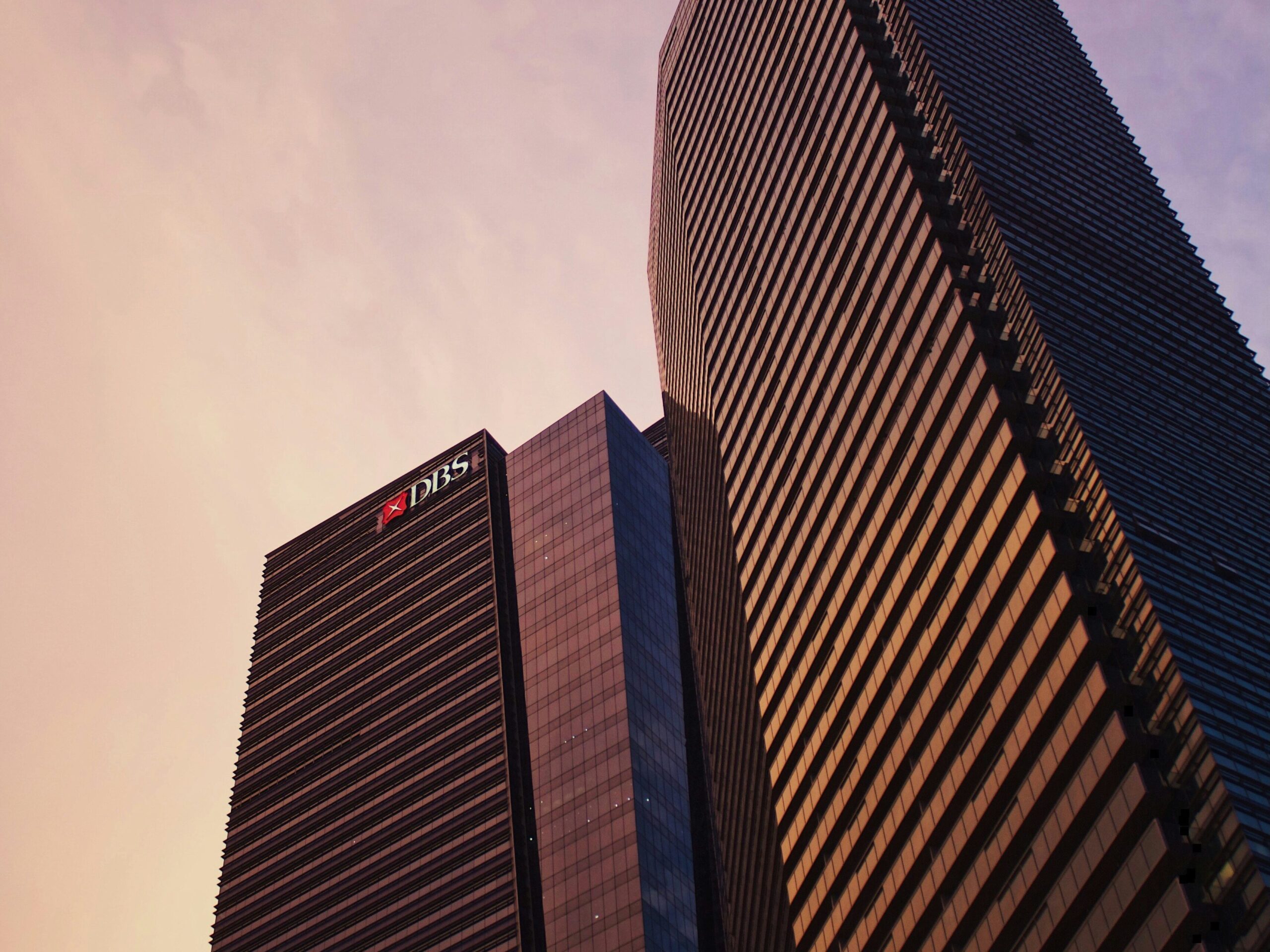
DBS remains one of Singapore’s most reliable dividend payers and a cornerstone of many income-focused portfolios. As Southeast Asia’s largest bank by assets, DBS is a linchpin of our financial landscape, with diversified revenue streams across retail banking, wealth management, institutional banking, and treasury markets.
The bank delivered record financial performance in recent years, supported by higher net interest margins during the global rate-hike cycle and strong growth in fee income from wealth management and card spending.
According to FY2025 results released in February 2026, DBS reported record net profit of around S$11–12 billion, marking another year of strong earnings momentum. Return on equity remained above 18%, among the highest for major global banks.
In Q2 2026, the bank maintained its quarterly dividend at S$0.81 per share (66¢ ordinary + 15¢ capital return), bringing the annualized dividend to S$3.24 per share, excluding any special dividends. This represents a 9% increase over the S$0.75 per share payout from the previous year. At recent share prices, this translates to a dividend yield of 4.04% (as of 7 Sept 2026), making DBS one of the highest-yielding large banks in Asia.
Beyond dividends, DBS has also returned capital through share buybacks and occasional special dividends, reflecting its strong capital position. The bank’s Common Equity Tier 1 (CET1) ratio remains robust at 14.9%, giving management flexibility to continue rewarding shareholders.
DBS is considered well-capitalised with a “mountain of excess capital”. Despite expected slight moderation in 2026 earnings, the bank’s capital management initiatives—specifically the commitment to special capital returns and ongoing buybacks—are expected to keep supporting shareholder returns.
Looking ahead to 2026, DBS expects loan growth to remain moderate but stable, while wealth management and transaction banking should continue supporting fee income. Even as interest rates gradually normalise, the bank’s diversified business model and strong regional presence across Asia position it well for sustained profitability.
For investors seeking a blue-chip dividend stock with resilient earnings and consistent payouts, DBS continues to stand out as one of the most attractive options on the Singapore Exchange.
2. United Overseas Bank Ltd (SGX:U11)
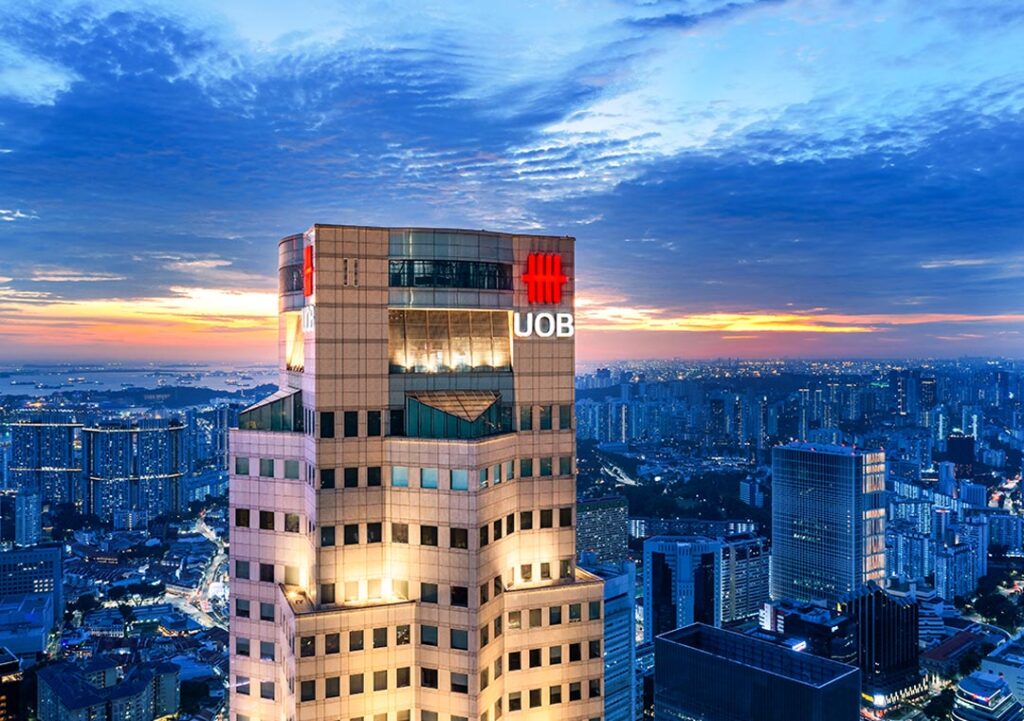
United Overseas Bank (UOB) remains one of Singapore’s most consistent dividend-paying banks and a key beneficiary of rising regional banking activity in Southeast Asia.
A major strategic milestone for the bank has been the integration of Citigroup’s consumer banking businesses in Malaysia, Thailand, Indonesia and Vietnam, a deal valued at about S$5 billion. The acquisition significantly expanded UOB’s regional retail presence and doubled its ASEAN retail customer base to roughly 8 million.
For H1 2026, UOB reported strong results. Net fee income stood at S$1.3 billion in H1 2026, driven by double-digit wealth management fee growth and steady credit billings. Net profit for 1H 2026 rose to S$2.92 billion, a 3% year-on-year increase. For the FY2025, its net profit stood at S$4.77 billion. For the second quarter of 2026, UOB reported a net profit of S$1.5 billion ($1.17 billion), rising 10% YoY.
Wealth management fees rose 15% YoY to a half-year record high of S$462 million, led by strong investment demand and sustained client engagement. Wealth AUM reached S$190 billion in 2025 and continued its growth trajectory into 2026.
Other non-interest income increased to S$1.09 billion in H1 2026, 4% YoY increase driven by record customer-related treasury income and non-recurring gains from asset divestments. The total income for H1 2026 was S$7.02 billion.
The bank declared an interim dividend of S$0.88 per share for H1 2026, an increase from H1 2025’s S$0.85. Total dividends declared for FY2025 were S$1.56 per share (comprising a S$0.71 final dividend and a S$0.85 interim dividend). Net interest income for H1 2026 eased to S$4.62 billion, a 3% dip year-on-year, as net interest margin (NIM) contracted by 18 basis points to 1.78% as a result of falling benchmark rates.
With the Citi integration largely completed, investors are watching for synergies in digital banking, cross-border wealth services, and SME lending, which could drive the bank’s next phase of growth.
3. Oversea-Chinese Banking Corporation (SGX:O39)
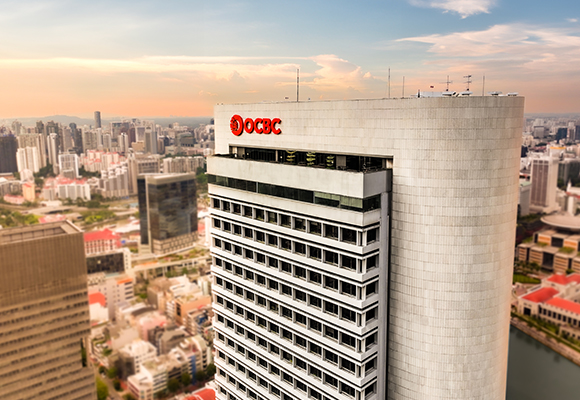
OCBC continues to stand out among Singapore’s banks for its diversified earnings model spanning banking, wealth management, and insurance through Great Eastern Holdings.
For FY2025, OCBC reported strong profitability, supported by resilient loan demand, higher fee income from wealth management, and stable insurance contributions.
The bank has also been expanding its regional presence. In recent years it completed the acquisition of PT Bank Commonwealth in Indonesia and increased its stake in Great Eastern Holdings, strengthening its integrated financial services ecosystem.
According to OCBC’s FY2025 results released in February 2026, the bank reported a net profit of S$7.42 billion for 2025, reflecting a 2% year-on-year increase in earnings. Total income growth reached a record high of S$14.6 billion, up 1% from the previous year. The board has announced comprehensive plans to return S$2.5 billion to shareholders over two years via special dividends and share buybacks.
For FY 2025, a final ordinary dividend is 83 cents per share, slightly lower than the 85 cents in FY2024. OCBC also recommended a special dividend of 16 cents per share, bringing the total combined payout for FY2025 to 99 cents per share.
In H1 2026, OCBC recorded a net profit of S$4.19 billion, representing a 13% increase YoY, supported by strong performance in wealth management and insurance. Total income grew 11% to S$8 billion, driven by an increase of 36% in non-interest income to S$3.51 billion. Net interest margin (NIM) was 1.88% in H1 2026, reflecting the impact of declining benchmark rates.
Wealth management remained a major driver of OCBC’s performance. Group wealth management income made up a significant portion of total income, while banking wealth management assets under management (AUM) reached record levels. Net fee income increased 26% in 1H2026 to S$1.41 billion, primarily due to a 41% rise in wealth management fees to S$1.04 billion. Net trading income amounted to S$1.13 billion, while Great Eastern’s overall insurance results made a strong contribution to non-interest income.
OCBC’s board announced an interim ordinary dividend of S$90.47 per share for H1 2026, 15% higher than the S$0.4 paid in the corresponding period a year earlier. This represented a payout ratio of approximately 50% of net profit. For FY2025, the total dividends declared were S$0.99 per share, including a special dividend of S$0.16 per share. This reflected a 60% total payout ratio under the Group’s S$2.5 billion capital return plan.
The Group continued to maintain strong asset quality, with its non-performing loan (NPL) ratio holding steady at 1.0%. Total allowances for H1 2026 stood at S$372 million, while credit costs remained low. OCBC also retained robust capital buffers, with its Common Equity Tier 1 (CET1) ratio at 16.9% on a transitional basis and 15.0% on a fully phased-in basis.
The bank’s diversified business model and strong capital position continue to support dividend payouts, share buybacks, and special distributions, making it a core income stock on the SGX.
4. Singapore Telecommunications (SGX:Z74)
Singtel is Singapore’s largest telecommunications operator and one of the region’s key digital infrastructure companies. As a telecommunications giant majority-owned by Temasek Holdings (the Singapore government’s investment arm), Singtel has maintained a stable dividend policy by reshaping its business by focusing on 5G infrastructure, digital services, data centres, cybersecurity, and enterprise solutions, while unlocking value from its regional associates including Bharti Airtel, AIS, and Telkomsel.
Singtel reported a strong FY2026, marking further progress under its Singtel28 (ST28) strategy. Net profit surged 40% YoY to S$5.6 billion, boosted by gains from partial Airtel stake sales, while underlying net profit rose 12% to S$2.8 billion. Operating company EBIT increased 9% to S$1.5 billion, led by NCS, Digital InfraCo and Optus, while regional associates’ contribution grew 11% to S$2.0 billion. Singtel declared a record total ordinary dividend of 18.5 cents per share, comprising a 13.4-cent core dividend and a 5.1-cent value realisation dividend.
Key operational highlights included Optus EBIT growth of 23% in constant currency, NCS EBIT growth of 34%, and 24% growth in both revenue and EBIT at Digital InfraCo. Singtel also partnered with KKR to acquire STT GDC for an enterprise value of S$13.8 billion, while generating S$3.9 billion in asset recycling proceeds during FY2026, bringing cumulative proceeds to S$5.8 billion against its S$9 billion target. Its S$2 billion share buyback programme saw S$106 million executed in FY2026, with up to S$1 billion planned for FY2027.
Singtel continues investing heavily in AI infrastructure, hyperscale data centres, and 5G networks, positioning itself for long-term growth in Asia’s digital economy.
5. ST Engineering (SGX:S63)
ST Engineering is a global technology and engineering group with major operations across commercial aerospace, defence & public security, and smart city solutions.
According to ST Engineering’s FY2025 results released on 27 February 2026, the company continued to benefit from strong demand in aircraft maintenance, defence systems, and urban mobility technologies, supported by a large global order book of S$33.2 billion. It reported a 9% increase in revenue for 2025, reaching S$12.35 billion, maintaining steady profitability, underpinned by long-term defence contracts and strong aerospace recovery. ST Engineering proposed a final dividend of S$0.06 per share and a special dividend of S$0.05 per share, bringing the total dividend for the year up to S$0.23 per share. This is an increase over the S$0.16 per share in 2024, a 43.75% increase.
According to ST Engineering’s H1 2026 financial results released on 13 August 2026, the company reported a new record global order book of S$35.7 billion as of June 2026 and reached S$6.57 billion in revenue (an 11.1% increase) for the first half of 2026. Net profit surged 27.1% to S$512.1 million, driven by a more favourable business mix and disciplined execution.
Under its dividend allocation policy, ST Engineering approved an interim dividend of S$0.05 per share for the second quarter, an increase over the S$0.04 per share paid in the corresponding period of the previous year.
With increasing global demand for defence technology, cybersecurity, satellite communications, and smart city infrastructure, ST Engineering remains a stable dividend-paying technology stock.
6. Sheng Siong Group Ltd (SGX:OV8)

Sheng Siong Group Ltd is one of Singapore’s largest supermarket operators and a well-known defensive consumer staple stock.
For H1 2026 (ending 30 June 2026), Sheng Siong Group saw robust growth, with an 11.9% YoY increase in revenue to S$855.4 million. This was largely driven by new store openings and healthy sales. For FY2025, its revenue rose 12.1% to S$1.53 billion. The group saw steady revenue growth supported operational expansion (it ended the year with 87 stores in Singapore and 6 in China) and improved sales from existing stores.
Its H1 2026 gross profit rose 15.6% to S$272.4 million, and gross profit margin was 31.8% (up from 30.8% a year ago), thanks to a better sales mix. Net profit increased 11.9% to S$81.0 million due operational efficiency and higher sales volume. The Group declared an interim dividend of 3.75 cents per share, up from 3.20 cents in H1 2025
Because grocery demand tends to remain stable even during economic downturns, Sheng Siong is often viewed by investors as a reliable defensive dividend stock in the consumer staples sector, and thus less susceptible to economic downturns. Sheng Siong continues to expand its store network and explore new retail formats to drive growth.
7. Singapore Exchange Limited (SGX: S68)*
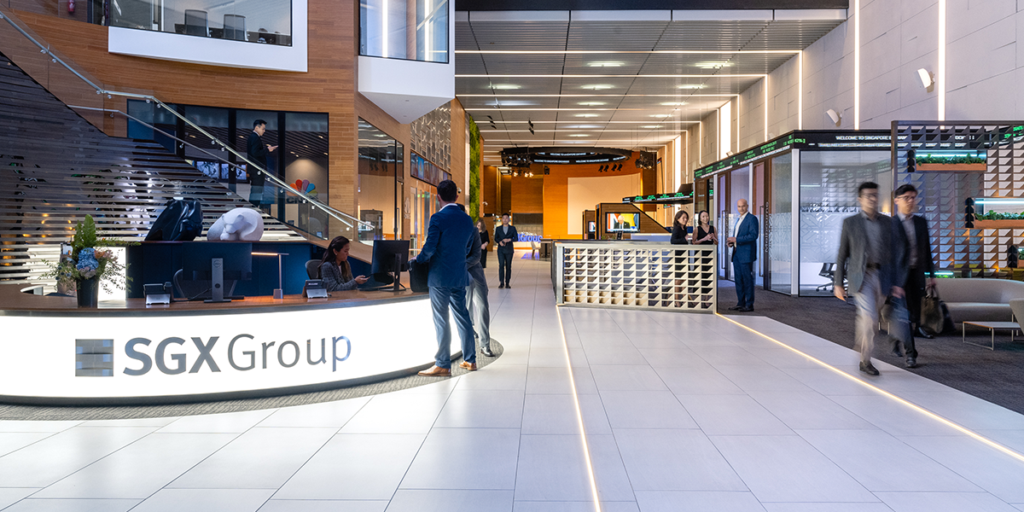
Singapore Exchange Limited (SGX) serves as the primary securities and derivatives exchange in Singapore, playing a pivotal role in the nation’s financial infrastructure.
For FY2025, SGX reported continued growth in derivatives trading volumes (particularly in equity index, currency, and commodity derivatives, which remain key revenue drivers), with an adjusted net profit of S$609.5 million, a 15.9% increase from the previous year. SGX maintains a quarterly dividend policy, and for FY2025 declared final quarterly dividends of 10.5 cents per share (up from 9 cents in FY2024).
Over the past decade, SGX has steadily grown its dividend at a rate exceeding 4.6% annually. This trend, aligned with its earnings growth, reflects a strong commitment to sharing financial success with shareholders and helps defray inflationary pressures.
The exchange has also expanded its multi-asset strategy, strengthening its position as a global hub for international investors accessing Asian markets. Its stable cash flows and strong market position make SGX a reliable dividend stock within Singapore’s financial sector.
8. ComfortDelGro Corporation Limited (SGX: C52)*
ComfortDelGro Corporation Limited is a leading global land transport company headquartered in Singapore, operating a diverse fleet of vehicles spanning public buses, rail services, taxis, private hire vehicles, and mobility platforms across multiple countries.
For FY2025, ComfortDelGro the group continued to benefit from the recovery in commuter demand and strong performance from overseas operations (particularly in the UK and Australia public transport markets), and reported a 13% rise in revenue to S$5.06 billion. The company also secured several new international transport contracts, strengthening its global revenue base.
In line with its financial performance, ComfortDelGro announced a total dividend of 8.5 cents per share for 2025, reflecting improved earnings and steady cash flow from its transport operations.
ComfortDelGro’s strategic initiatives, including global expansion and acquisitions, have contributed to its robust financial performance and sustained growth. As governments worldwide continue investing in public transportation infrastructure, the company remains well positioned for long-term growth.
9. Keppel Corporation Limited (SGX: BN4)*
Keppel Corporation Limited is a diversified global company headquartered in Singapore, with operations spanning Offshore & Marine, Infrastructure, and Property sectors across over 30 countries. It also manages several Singapore REITs through its asset management business. It has been undergoing a major transformation, shifting from a traditional conglomerate toward a global asset manager and operator focused on infrastructure, connectivity, and real estate.
Keppel has been undergoing a major transformation, shifting from a traditional conglomerate toward a global asset manager and operator focused on infrastructure, connectivity, and real estate. It reported a 21% year-on-year increase in recurring income to S$941 million, driven by higher contributions from both asset management and operating income.
The board of Keppel Ltd. has announced a dividend of S$0.47 per share and an annual dividend yield of 43%, maintaining an attractive yield for income-focused investors.
For FY2025, Keppel reported stronger contributions from its infrastructure and asset management segments, as its funds under management continued to grow. With global demand rising for energy transition infrastructure, data centres, and urban solutions, Keppel’s transformation strategy could support more stable long-term earnings and dividends.
10. CapitaLand Investment Limited (SGX: 9CI)
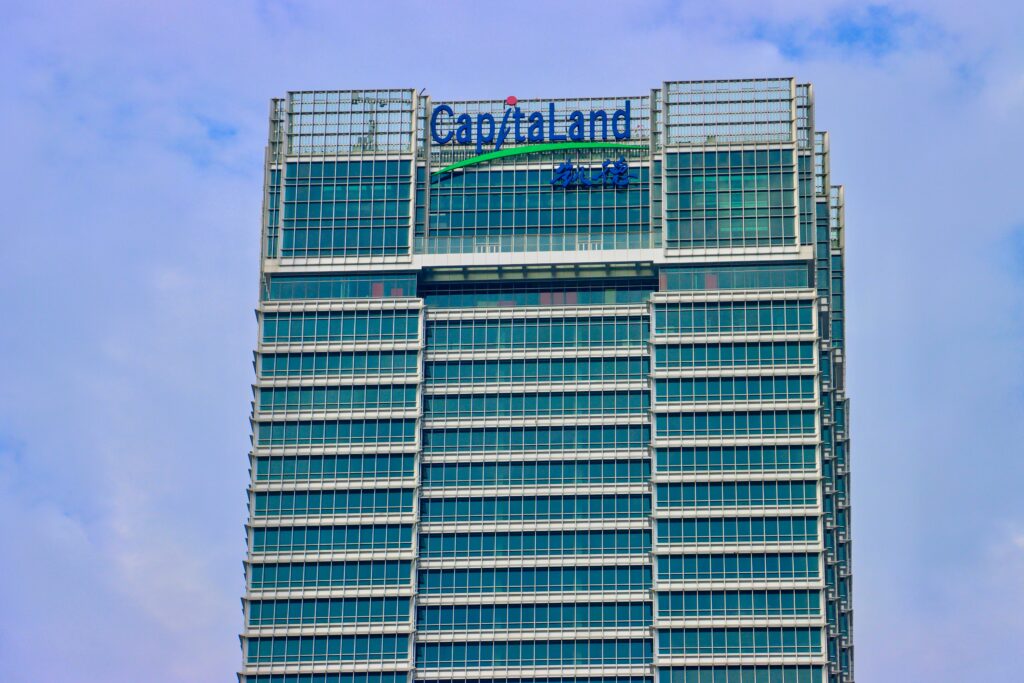
CapitaLand Investment Ltd (CLI), headquartered in Singapore, is a global real asset manager with a presence in more than 40 countries. Its funds under management (FUM) reached S$125 billion as of December 2025, driven by sustained momentum in raising capital and strategic investments in platforms.
CLI recorded S$310 million in fee-related revenue in Q1 2026, up 10% YoY, supported by growth across its listed and private funds management businesses. Total revenue came in at S$487 million, with the Fee-Related Business contributing 59%. The total revenue for FY2025 was S$2.13 billion, while operating PATMI rose 6% to S$539 million. However, weaker portfolio gains and revaluation pressures in China reduced full-year PATMI to S$145 million, bringing CLI’s core dividend to 12.0 cents per share for FY2025.
CLI continued to expand its investment platforms across private credit, listed REITs and private funds, raising approximately S$2.5 billion in equity in early 2026, including a S$2.4 billion real estate portfolio mandate from Income Insurance. This supports its target of reaching S$200 billion in FUM by 2028. The Ascott Limited also remained a key growth driver, with Q1 2026 RevPAU up 3% YoY on a same-store basis, led by Japan and South Korea.
CLI raised S$5.7 billion in sustainable financing in FY2025, taking total sustainable financing since 2018 to around S$26 billion.
As global real estate markets stabilise and institutional demand for private real estate funds grows, CLI is positioning itself to expand its asset management platform and recurring income streams.
How to Choose Dividend Stocks in Singapore That Are Worth Holding
2025 proved to be a successful year for investors in Singapore’s dividend stocks. But investing in dividend stocks requires finding a careful balance between stability and growth. You should consider your investment objectives based on payout and price return expectations and do a thorough research before investing.
Evaluate the Dividend Payout Ratio
A healthy payout ratio indicates that the company is sharing a reasonable portion of its profits with shareholders without jeopardising its financial stability.
A lower payout ratio suggests potential for future dividend increases.
For example, while DBS, UOB, and OCBC have historically had relatively stable payout ratios, consider how those ratios have trended over time and how they compare to industry averages.
Look for a Proven Track Record of Consistent Dividend Payments
A history of consistent dividend payments, ideally with increases over time, demonstrates a company’s commitment to returning value to shareholders.
Look at the dividend history of companies like DBS, UOB, and OCBC. Their long-standing tradition of dividend payouts makes them attractive as dividend stocks in Singapore.
Ensure the Company Has Stable and Positive Free Cash Flow
Free cash flow (FCF) is the cash a company has left over after paying its operating expenses and capital expenditures.
Strong and consistent FCF is essential for sustaining dividend payments.
Companies like ST Engineering and Sheng Siong, while operating in different sectors, should be evaluated for their FCF strength and consistency.
Prioritise Dividend Yields Higher Than the Risk-Free Rate
The risk-free rate represents the return on a virtually risk-free investment, such as a government bond.
Your dividend yield should ideally exceed this rate to compensate you for the added risk of investing in stocks.
While OCBC, Keppel, and ComfortDelGro may offer attractive yields, compare them against prevailing risk-free rates to assess their true value.
Evaluate the Company’s Financial Health and Debt Levels
A company’s financial health is crucial for its ability to maintain dividend payments.
High debt levels can strain cash flow and potentially lead to dividend cuts.
Analyse the debt-to-equity ratios of companies like Singtel and ST Engineering to understand their financial leverage and its potential impact on future dividends.
Assess the Potential for Dividend Growth
Look for stocks with a history of increasing their dividends over time. This indicates a healthy business and a commitment to rewarding shareholders in Singapore.
Consider the growth prospects of companies like Sheng Siong and how that growth could translate into future dividend increases. Their business model and market position can play a role.
Why Invest in Dividend Stocks in Singapore?
Dividend stocks offer a compelling combination of income, stability, and long-term growth potential, making them an attractive investment option for many. Here’s a closer look at the key benefits:
Reliable Source of Passive Income
The best dividend stocks in Singapore are known for providing a regular stream of income, offering investors a consistent and reliable source of passive income. These regular payouts can supplement your earnings, fund your retirement, or simply provide greater financial flexibility.
Stability During Market Volatility
Companies with a strong history of paying dividends are often financially stable and well-established. This financial health can make their stock prices less volatile during market downturns in Singapore compared to companies that don’t pay dividends.
Long-Term Wealth Growth Through Reinvestment
One of the most powerful aspects of dividend investing is the ability to reinvest your dividends. By reinvesting your dividend payouts back into the company’s stock, you can purchase more shares and subsequently receive even more dividends.
This creates a compounding effect, accelerating your returns over time and significantly boosting your long-term wealth growth.
Inflation Protection with Growing Dividends
Inflation erodes the purchasing power of your money over time. However, companies that consistently grow their dividends help investors keep pace with, or even outpace, inflation. As the cost of living rises, these stocks tend to increase their dividend payouts, ensuring that your income stream maintains its value in Singapore.
Diversification Benefits
Dividend-paying stocks can play a crucial role in diversifying your investment portfolio. They often belong to established, mature companies, which can balance the potentially higher risk and higher reward of growth stocks.
Tax Advantages in Singapore
Singapore offers a favourable tax environment for dividend investors. Dividends from locally-listed stocks are currently tax-free, further enhancing the appeal of dividend investing in Singapore.
How to Buy & Start Investing in Dividend Stocks in Singapore
Syfe Brokerage offers through which you can access dividend stocks as well as other securities on SGX.
Take control of your investments with Syfe’s low commission fees, starting at S$1.98 or 0.045% of traded value. This cost-effective approach maximises your returns and allows you to keep more of what you earn.
Alternatively, if you’re looking to buy into a basket of these four securities, STI ETFs can be an easy access option to access the broader Singapore market. Syfe also provides a user-friendly platform, making investing accessible to everyone, from seasoned investors to those just starting out.
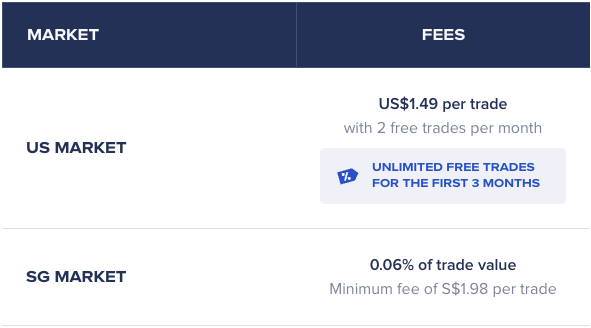
You can now trade odd lots on SGX with Syfe, allowing you to buy and sell as few as one share instead of the standard lot size of 100 shares. This is particularly beneficial for investors interested in blue-chip stocks, which often have higher share prices. Trading odd lots makes it easier to invest in these companies, even with a smaller budget, and allows for greater flexibility in building a diversified portfolio.
Ready to start building your dividend stocks portfolio in Singapore with Syfe? It’s easy to get started:
- Download the Syfe app: Get the Syfe app on your mobile device to begin your investing journey.
- Open a brokerage account: Quickly and easily set up your Syfe Bbrokerage account directly through the app.
- Explore dividend stocks: Browse a wide selection of global and Singapore dividend stocks, all within the Syfe platform, to find the best one for your risk profile.
- Make your first trade: Execute your trades seamlessly and securely with Syfe’s intuitive trading interface.
Ready to start investing? Explore an array of global and Singapore’s dividend stocks today.


